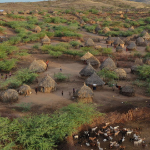

Climate change continues to disproportionately affect Arid and Semi-Arid Lands (ASALs) in Kenya, where communities face recurring droughts, water scarcity, food insecurity, and environmental degradation. Counties such as Tana River, Garissa, Wajir, Mandera, and Isiolo are among the most affected, making climate resilience not just a development priority but a survival necessity.
The Strategic Initiative for Africa (SIFA) is committed to strengthening community resilience by promoting sustainable environmental practices, climate adaptation strategies, and inclusive resource management systems that support long-term livelihoods.
Understanding Climate Challenges in ASAL Regions
ASAL communities rely heavily on natural resources such as pasture, water, and livestock. However, climate variability has intensified pressure on these resources, leading to:
- Prolonged drought cycles
- Loss of livestock and livelihoods
- Water shortages and competition
- Land degradation and desertification
- Increased vulnerability to food insecurity
These challenges require integrated and community-centered solutions to ensure long-term sustainability.
SIFA’s Approach to Climate Resilience
SIFA promotes a holistic approach that combines environmental sustainability with community empowerment. Its programs focus on helping communities adapt to changing climate conditions while protecting their natural resources.
Key interventions include:
- Community awareness on climate change adaptation
- Promotion of sustainable land use practices
- Support for water conservation and management systems
- Encouraging climate-smart agriculture
- Strengthening local disaster preparedness mechanisms
This approach ensures that communities are not only responding to climate shocks but also building resilience against future risks.
Promoting Climate-Smart Livelihoods
To reduce vulnerability, SIFA supports livelihood diversification strategies that reduce over-reliance on climate-sensitive activities. These include:
- Small-scale irrigation farming
- Agro-pastoral practices
- Skills training for alternative income sources
- Youth engagement in green economy opportunities
By strengthening economic resilience, communities are better equipped to withstand climate-related shocks.
Water Security and Natural Resource Management
Water scarcity remains one of the most pressing issues in ASAL regions. SIFA works with communities to improve access to and management of water resources through:
- Construction and rehabilitation of water points
- Promotion of water harvesting techniques
- Community-led water management committees
- Sustainable grazing and pasture management systems
These efforts help reduce conflict over resources while improving access to essential services.
Building Community Capacity for Climate Adaptation
SIFA recognizes that sustainable climate resilience depends on informed and empowered communities. The organization invests in capacity-building programs that include:
- Climate change education and training
- Early warning systems for drought and disasters
- Community-based environmental conservation initiatives
- Engagement of women and youth in environmental leadership
This ensures that climate action is inclusive and locally driven.
Partnerships for a Greener Future
SIFA collaborates with development partners, county governments, and community-based organizations to scale climate resilience initiatives. Partnerships strengthen technical expertise, funding access, and implementation reach across ASAL counties.
Together, these efforts contribute to a more coordinated response to climate challenges in Kenya and the wider region.
Conclusion: A Sustainable Vision for ASAL Communities
Climate resilience is essential for the survival and prosperity of ASAL communities. Through integrated programs focused on adaptation, resource management, and livelihood diversification, SIFA is helping communities build a more secure and sustainable future.
As climate risks continue to grow, SIFA’s vision remains clear: empower communities to not only withstand climate change but to thrive in spite of it.