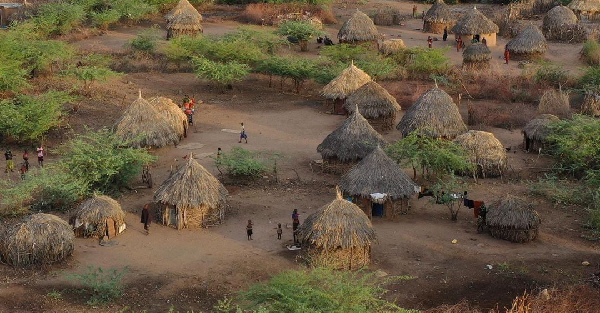
Peace and stability remain critical pillars for sustainable development, especially in Kenya’s frontier and ASAL (Arid and Semi-Arid Lands) counties such as Tana River, Garissa, Wajir, Mandera, and Isiolo. These regions often experience challenges related to resource-based conflicts, cross-border tensions, and social inequalities.
The Strategic Initiative for Africa (SIFA) is actively working to address these challenges by promoting community-led peacebuilding, strengthening local conflict resolution mechanisms, and fostering collaboration between communities, county governments, and development partners.
Community-Led Peacebuilding as a Foundation for Stability
One of the key lessons from SIFA’s work is that sustainable peace must be driven by the community itself. External interventions alone are not enough unless local voices are actively involved.
SIFA supports grassroots peace structures such as:
- Community peace committees
- Elders’ councils and traditional conflict resolution systems
- Youth peace ambassadors
- Women-led peace advocacy groups
These structures help resolve disputes early before they escalate into larger conflicts, especially in pastoralist and border communities.
Addressing Resource-Based Conflicts
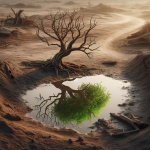
In frontier counties, competition over scarce resources such as water, pasture, and grazing land is a major driver of conflict. SIFA’s peacebuilding programs focus on reducing these tensions through:
- Dialogue between competing communities
- Joint resource management initiatives
- Early warning and response systems
- Awareness campaigns on peaceful coexistence
By encouraging cooperation rather than competition, SIFA helps communities find shared solutions to shared challenges.
Strengthening Youth Engagement in Peace Processes
Youth are often both the most affected by conflict and the most powerful agents of change. SIFA places strong emphasis on youth participation in peacebuilding by:
- Training youth peace champions
- Creating platforms for inter-community dialogue
- Supporting skills development and economic empowerment
- Encouraging youth participation in governance and leadership
When young people are engaged productively, the risk of involvement in violence significantly decreases.
Enhancing Cross-Border Peace and Security Cooperation
Many frontier counties in Kenya share porous borders with neighboring countries such as Somalia and Ethiopia. These cross-border dynamics can sometimes contribute to insecurity but also offer opportunities for collaboration.
SIFA promotes cross-border peace through:
- Regional dialogue forums
- Collaboration with local administrators and security actors
- Joint community peace initiatives
- Information sharing on early warning signs of conflict
This approach helps build trust across borders and supports long-term regional stability.
Partnerships for Sustainable Peace
SIFA’s peacebuilding efforts are strengthened through partnerships with organizations such as Act Change Transform (Act!), GCERF, and various county governments. These partnerships enhance resource mobilization, technical capacity, and policy influence.
By working together, stakeholders can scale peace initiatives and ensure they reach the most vulnerable communities.
Key Lessons from SIFA’s Peacebuilding Work
Some of the most important insights from SIFA’s experience include:
- Peace is strongest when driven by local communities
- Youth and women are essential to long-term stability
- Early conflict prevention is more effective than crisis response
- Collaboration between counties and communities improves trust
- Cross-border cooperation is vital for regional peace
Conclusion
Building peace and stability in Kenya’s frontier counties requires continuous engagement, trust-building, and inclusive participation. Through its work, SIFA demonstrates that sustainable peace is possible when communities are empowered to lead the process.
As the organization expands its reach across Kenya and into neighboring countries, its community-centered approach remains a powerful model for lasting peace and stability.